Highlight Moment from Between the Ears: One such instance was when the narrator cut short in mid-sentence, and a noticeable silence followed, broken only by a distant ambient sound, such as wind or hum. The silence was palpable, increasing the emotional stakes and allowing space for reflection. It made me think about how silence, used knowingly, can say just as much as words or music.
When venturing into the 99 Sounds library, I found a package called Sound Design Tools. This included abstract textures, risers, and cinematic hits. I’m looking forward to experimenting with these to highlight emotional points or cuts in my own episode. Particularly, using quiet textures under dialogue helps set a place or create tension without being distracting.
Having read Pitching Story Ideas from Transom and How to Focus Audio Stories from NPR Training, I came out with two large takeaways regarding what works in a pitch. First, an effective pitch requires a well-defined and compelling point of focus. To state, for example, “I want to do a story about cafés” is not enough. You need to uncover the core of the story. Like the very conflict, question, or surprising turn that will grab people’s attention and propel the story. Two, I found that great pitches also equate to exposing the human nature in the story. Human beings, voices, and moments resonate with editors and listeners just as much as ideas do. A pitch should emphasize who will be telling the story and why their viewpoint or experience is important. Considering my first episode, one thing I wish I had known earlier is the importance of establishing setting through a firm central tension or question. My episode had strong raw material but treated it as a succession of observations instead of an aimed narrative. If I had popped up earlier and told them, “I have a question about driving, and let me show you,” and stuck with it through, the narrative would have been tighter and more engaging. Going forward, I will bring this lesson with me by making sure that all the ideas I present have a definable central point and identifiable characters or voices who will make it flesh out.
For this episode, I experimented with the free sound effects library on the BBC. I included ambient background noises to support the setting within my guest’s narrative. A bit of street activity, for example, to place listeners there in the moment. The hope was to add depth to the episode and make it more film-like. I also consulted “10 Tips for a Great Sounding Podcast,” specifically the mic placement and reducing room noise tips. Ensuring the basics allowed me a cleaner track to work on, so the sound effects blended well and didn’t feel distracting. Overall, my goal was to offer listeners a smoother, more professional experience that brought them even deeper into the story.
Jessica Abel’s Out on the Wire is both a companion tour of classic radio shows and a working guide for authors, as a reminder that exceptional audio is created, not improvised. Her unadorned but sharp instruments impressed me. The XY Story Formula that gets to the point, the “focus challenge” that digs into what a story is really about, and the ruthless “keep or kill” editing method. These ideas will shape my next podcast episode. I will sharpen the pitch with XY, build tension and release instead of presenting information flatly, and edit with a commitment to story over excess tape. More than anything, Abel pushes me to move from reporting facts to creating experiences. Learning on sound, pacing, and emotion so listeners don’t just hear a story, they feel it.
Citizen Journalism: Benefits & Drawbacks Citizen journalism adds more voices to the news. It’s fast, it’s diverse, and it can draw attention to stories big outlets miss. The downside? Without good fact-checking, it has the ability to spread misinformation or blur fact and opinion. More voices doesn’t always mean more clarity. Podcast Reflection I heard This American Life’s broadcast “The Giant Pool of Money.” In narration and interviews, it presented a complicated financial crisis in a way that was clear and human. Hearing actual voices conveyed emotion that text can’t. Podcasts succeed because they’re intimate, portable, and versatile. I heard it during my walk to my classes and was pulled into the story. They illustrate how storytelling can be both personal and impactful.
TikTok’s arrival demonstrates mobile journalism breaking out of fixed categories. A great example is @reaganwrites (https://www.tiktok.com/@reaganwrites), where brief videos mix captions, green-screen explainers, and stitched reactions. The result is a diary, reportage, and conversation with the viewer all rolled into one. What does work is speed and clarity? The complex stories are teased out in under a minute. The drawback is context of the show. If you miss earlier clips and it’s easy to lose the plot. This format extends Ovaskainen’s nine genres by also turning the audience into co-authors of the story. Imagine it as a podcast: short, three-minute “audio shorts” that weave together narration, sound bites, and voice messages from listeners. Easy to listen to in short form, but powerful when strung together.
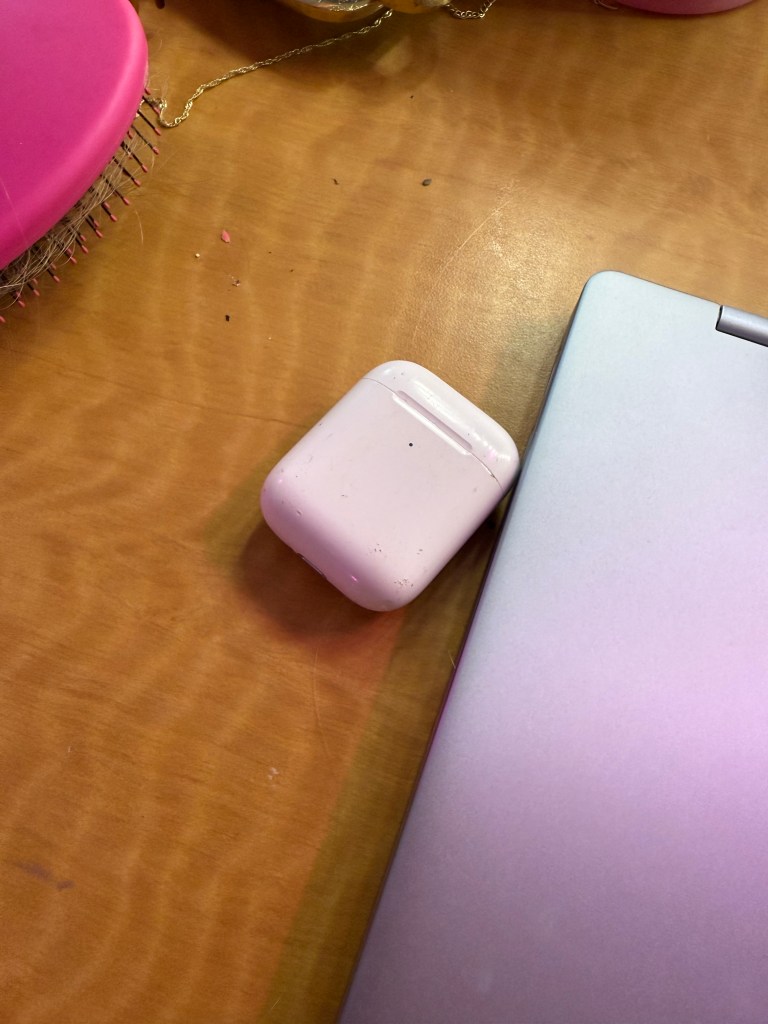
My kit is pretty light right now. I just have my AirPods and the built-in voice recorder app on my phone. It’s not fancy, but it’s enough to capture clear audio and easy to use anywhere.
I tested a few devices: my phone, my laptop, and a small recorder. The phone was the easiest and gave clear sound. The laptop worked but felt bulky, and the recorder had great quality but was less convenient.
The biggest challenge was background noise. I noticed even small sounds got picked up. I also once forgot to hit record, which was frustrating.
For my first real interview, I’d use my phone. It’s simple, reliable, and less distracting for the person I’m talking to.
North Oakland sits right between Shadyside, Bloomfield, and the heart of Oakland, making it a very vibrant and lively neighborhood. The area links the two major college campuses of Pitt and Carnegie Mellon, so it is always buzzing with college students. While also serving as a hub for them, it also maintains a steady, neighborhood feel for long-time residents. North Oaklands’ history began with its naming after its abundant oak trees in the early 19th century. In those days, this land was primarily rural farmland. Oakland became a cultural and academic center in large part due to the presence of Carnegie Mellon and the University of Pittsburgh.
Walking down these streets showed me just how diverse North Oakland is. There is quite a mixture of languages and cultures. As I strolled down a street, I saw many different types of cuisine varying from other cultures. There would be a Starbucks, then next door a sushi place, and then up the street a fancy Italian restaurant. On game days, Pitt’s blue and gold are all over every porch and in every storefront. However, a few blocks away, the mood shifts to quiet streets and a calmer vibe.
Over the last decade, the neighborhood has undergone significant changes. With the building of new apartments and increased student housing demands from the nearby universities, it has become a pretty lively neighborhood. What makes North Oakland stand out today is its layered identity. One part of the neighborhood is historic, while the other is a student hub and a research powerhouse. From my observations of the mix of people in this neighborhood, it is clear how North Oakland continues to adapt while preserving its unique historic charm.
 Site Title